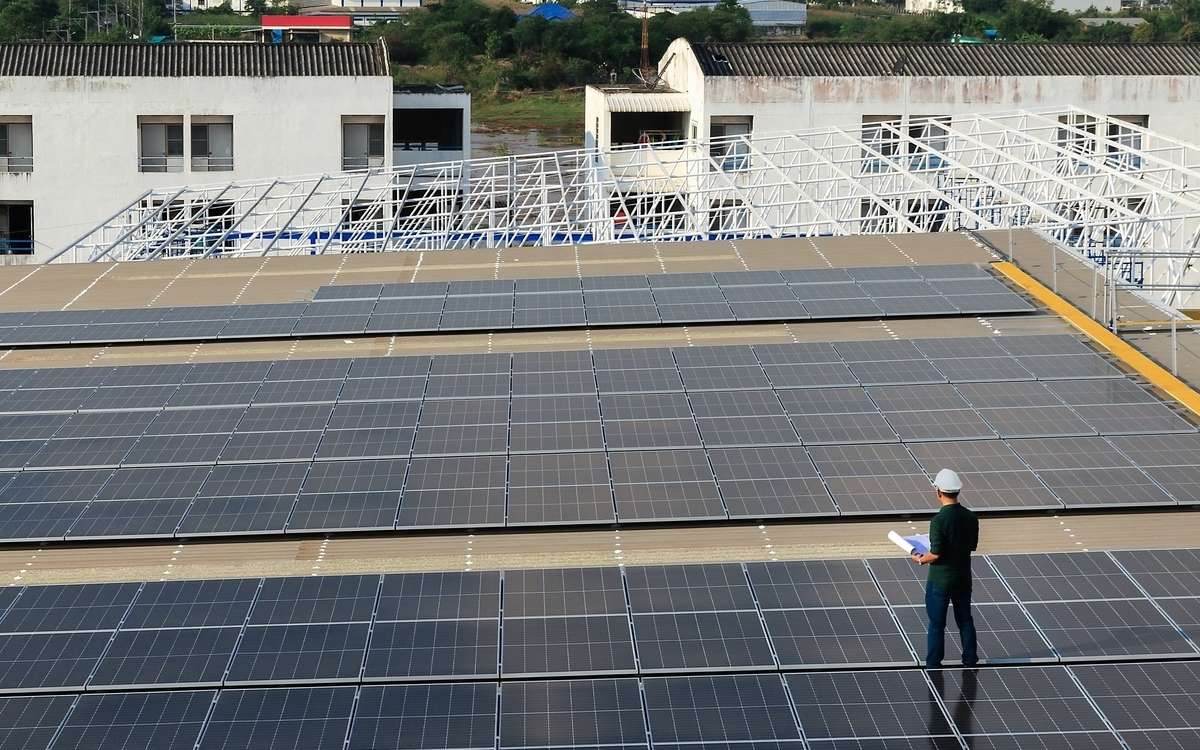
As the country pushes towards cleaner and more sustainable growth, opportunities in renewable energy are expanding rapidly. From solar and wind power development to emerging fields like battery manufacturing and green hydrogen, there’s a major shift towards low-carbon employment. This change doesn’t just shape the future of energy but also redefines the careers that will power tomorrow’s economy. Here’s a closer look at how the energy transition is driving new jobs and skills across the nation.
Renewable Energy at the Core of Change
Renewable energy has become central to national growth and economic planning. Over the past decade, the country has made remarkable progress in expanding solar and wind capacity. The government’s long-term targets are ambitious: to achieve 500 gigawatts of renewable power capacity by 2030. This goal involves scaling up everything from rooftop solar projects in urban spaces to large wind farms along coastlines.
What’s most significant is that this expansion creates a chain of employment opportunities. When solar panels are manufactured, installed and maintained, or when wind turbines are transported and erected, skilled workers, engineers, and technicians are required at every stage. The more systems you build, the more hands and heads are needed to make them function efficiently.
According to various energy sector studies, the solar industry alone could employ over a million people by the end of this decade. However, these aren’t limited to technical roles. Project management, logistics, data analytics, and environmental assessment all play crucial parts. Companies need to hire across diverse skill levels — from site supervisors and electricians to climate finance experts.
Rise of Green Manufacturing and Supply Chains
Manufacturing is becoming a key pillar in this transformation. With the government promoting local production of solar modules, batteries and electric vehicle components, new factories and assembly lines are opening up in several states. This shift aims to reduce import dependency while strengthening supply chains within the domestic market.
As this happens, manufacturing jobs that support renewable energy projects will continue to grow. A single plant producing solar modules or battery cells can create thousands of direct and indirect roles — including machine operators, quality assurance specialists, safety inspectors, and logistics coordinators. When combined with the demand for research and innovation, the sector becomes a significant hiring engine for engineers and scientists.
Green supply chains go beyond simply building parts. They involve rethinking transportation, reducing carbon footprints, and improving recycling processes for materials like lithium and cobalt. These areas require new technical expertise, opening a path for young professionals with background in environmental science, materials engineering, and industrial design.
Emerging Field of Green Hydrogen
One of the most exciting additions to the energy mix is green hydrogen — a clean fuel produced using renewable electricity to split water into hydrogen and oxygen. While still in a growth phase, this segment holds major potential for employment and investment. Several pilot projects are already underway, focusing on hydrogen production, storage, and distribution.
Jobs in this field range from process engineering and plant design to advanced safety and quality control. As hydrogen becomes a fuel for industries like steel, cement, and long-haul transport, the need for experts in chemical processing and energy systems will increase. Professionals who can integrate hydrogen into existing industrial setups will likely find expanding career paths over the next few years.
In addition, the construction of hydrogen hubs — clusters of production, storage, and distribution facilities — will generate work opportunities across operations, maintenance, and transportation, further strengthening the green economy.
Energy Efficiency and Building Retrofitting
Beyond renewable power generation, another major contributor to the rise in green jobs is energy efficiency. Retrofitting old buildings, upgrading industrial systems, and improving public infrastructure to use less energy have become large-scale tasks. Engineering firms and local authorities are investing in energy audits, insulation, and smart lighting systems, all of which require trained professionals.
This segment attracts a wide variety of roles, such as auditors who assess energy performance, technicians who install new systems, and software developers who manage smart energy networks. It’s an area that connects traditional engineering skills with cutting-edge data and automation technologies.
For example, making public buildings energy-efficient not only cuts costs but also generates consistent employment for plumbers, electricians, and equipment installers. Over time, these tasks collectively lower emissions and support broader climate goals.
Skills and Training – Backbone of Green Employment
The growth of renewable energy and related sectors depends heavily on the availability of skilled labour. To sustain this momentum, educational institutions and skill-development programmes are aligning themselves with the needs of the evolving job market.
Technical training institutes are launching courses focused on solar installation, electrical safety, and sustainable construction. Universities are updating curricula to include renewable energy systems and circular economy concepts. Meanwhile, several companies have started in-house training centres to upskill existing employees.
Collaboration between industries and training organisations is becoming more common, helping bridge the gap between theoretical knowledge and practical skills. For someone looking to start a career in this domain, gaining hands-on experience with equipment, safety standards, and project execution will be key to employability.
Expanding Role of Data and Digitalisation
Technology is now central to how energy businesses operate. From predictive maintenance of wind turbines to optimising solar farm performance through analytics, data is reshaping the green workforce.
Job opportunities in digital domains such as artificial intelligence, remote sensing, and automation are multiplying. For example, a solar company might hire data engineers to monitor panel performance through AI-based dashboards. Similarly, energy-efficient building management depends on Internet of Things (IoT) devices that track lighting, cooling, and ventilation. These tools require both technical knowledge and environmental understanding, merging digital and sustainability skillsets into a single role.
Growth of Entrepreneurship in Clean Energy
As policies and markets align to support clean energy adoption, smaller enterprises and startups are entering the field with innovative solutions. From rooftop solar providers to waste-to-energy plants, many businesses now focus on clean technology, rural electrification, and carbon management.
This entrepreneurial push brings fresh ideas into the market and creates employment beyond traditional industries. Small ventures often hire engineers, marketing professionals, product designers, and field workers, all contributing to the broader transition towards sustainability. Additionally, startups that focus on affordable technology for rural areas are also helping build local ecosystems of suppliers and technicians.
Venture funding into clean technology has also increased, opening pathways for financial analysts, sustainability consultants, and compliance managers. These roles support businesses through investment decisions and regulatory procedures.
Challenges and Pathways Ahead
Despite its momentum, the green employment sector faces challenges that must be addressed thoughtfully. Skill availability, standardised training frameworks, and long-term project financing remain top concerns. Certain regions may expand jobs faster than others, depending on infrastructure and policy support.
However, ongoing policy initiatives are actively addressing these gaps. Support for vocational education, financial incentives for clean energy developers, and international collaborations on technology transfer are helping strengthen the workforce pipeline. The road ahead demands steady investment in both human and material resources to keep the energy transition inclusive and future-ready.
Companies are also realising that retaining skilled workers will be as important as hiring them. Creating safe workplaces, offering reskilling programmes, and providing career progression will help maintain stability across the growing sector. The focus is gradually shifting from short-term project employment to long-term sustainability careers.
The energy transition is no longer a distant vision; it’s unfolding across cities, towns, and villages every day. As new technologies mature and investment flows increase, the job landscape continues to evolve. Whether in solar factories, hydrogen plants, or smart energy networks, the opportunities emerging today will define the next generation of work. For job seekers, students, and entrepreneurs, this is a moment to rebuild skills, embrace innovation, and take part in shaping a cleaner and more resilient energy future.